
See Life Cover Options Sized to the Gap in Rancho Mirage, CA
Share who depends on you and what life cover you carry now. A licensed agent who works your area then follows up with term life and whole life options aimed at the part that is still open. It runs the same way whether you live in Rancho Mirage, Palm Desert or Indian Wells.
- Free to use
- No purchase required
- About two minutes
- Built from your answers
Coverage options for Rancho Mirage families
Answer six short questions and a licensed agent will follow up with options that fit your situation.
- Takes about two minutes
- No obligation to buy
- Your details stay private
Free, no obligation
See your coverage options
Six short questions. About two minutes.

Who We Are, Plainly Put
Life Insurance Rancho Mirage is a free service that connects you with a licensed life insurance agent in California. We are not an insurance company, and we are not an agent. We don't sell policies, put a price on them or point you toward one over another.
Once your answers are sent, the next conversation is between you and the agent who gets in touch. Your details go to that agent so they can respond, and you are under no obligation to buy anything. The About page explains more about how your information is handled.
Two Kinds of Life Policy, Explained Plainly
Term life is bought for a chosen number of years. If the insured person dies inside that window it pays, and once the window closes the cover simply ends. People often match it to the years when a paycheck or a home loan matters most. Whole life lasts for your lifetime and builds cash value, a feature of the policy the agent can walk you through. The Term Life Insurance and Whole Life Insurance pages each take a closer look at one kind.

Term Life Insurance
Cover for a set number of years, often lined up with a mortgage or with children growing up, and a way to talk through length and amount with a licensed agent.

Whole Life Insurance
Lifelong coverage with cash value, explained in plain words, plus the questions worth asking an agent before you choose a policy.
What Moves the Price of a Policy
No two policies are priced alike, and no figure exists until an insurer has looked at an application. A handful of facts about you, plus the cover you pick, account for most of the difference. Coverage, price and approval are decided by the insurance company, not by us.
We don't show prices, and sending your answers doesn't produce one. After an insurer reviews your details, the agent can explain how each number was reached.
- Age
- Insurers look closely at how old you are when the application goes in. It affects how many years the policy is likely to stay active.
- Health
- What you report about your health, along with any exam results, guides the rate an insurer is willing to offer.
- Tobacco use
- People who smoke, vape or use other tobacco are usually priced in a separate class. Give a straight answer here, since insurers verify it.
- Amount of cover
- The larger the sum a policy would pay, the more it costs to keep. Factoring in the cover you already carry keeps a new amount close to the real shortfall.
- Length of the term
- For term life, a longer span generally means a higher yearly premium than a shorter one for the same amount. Fitting the length to how long the need lasts avoids paying for years you probably won't need.
- Kind of policy
- At the same amount, whole life costs more each year than term because it lasts a lifetime and builds cash value. Term ends after its set years, which usually keeps the bill lower.
From Your Answers to a Policy in Hand
Most people go through four stages on the way to a life policy. Seeing them up front helps you plan around the timing.
- 1
Answer a few questions
Share a few details through our short form: roughly how much cover you want, who you would name as beneficiary and a few basics about you. Expect it to take about two minutes.
- 2
Go over your options
The agent who reaches out reviews what you shared, including any cover you already have, and sets out term or whole life options for what is left uncovered.
- 3
Apply and answer health questions
Applications usually ask about your health, tobacco use and medical history, and some include a brief medical exam. Certain policies need no exam at all, but they usually cost more or cover less.
- 4
The insurer makes its decision
The insurance company reviews your application and replies with what it will offer and at what price. If you accept, read the policy through and confirm every beneficiary name when the paperwork comes.
Where You Can Use the Service
Rancho Mirage, Palm Desert, Cathedral City, Thousand Palms, Palm Springs, Bermuda Dunes, Desert Palms, Indian Wells, Indio, La Quinta and Garnet are all covered. Whichever of these you call home, you answer the same questions, and an agent who works your town picks up from there.
- Rancho Mirage
- Palm Desert
- Cathedral City
- Thousand Palms
- Palm Springs
- Bermuda Dunes
- Desert Palms
- Indian Wells
- Indio
- La Quinta
- Garnet
Living just outside these towns? The Service Areas page explains who can use the form.
We Start With What You Already Have
Plenty of people already hold some life cover, maybe through a former employer or a policy bought years ago. The useful question is what that cover leaves unprotected.
- 01
Your current cover counts
One of the questions asks what you hold today. That way the conversation begins with what your existing policy handles and where it falls short, rather than with a new policy you might not need. Often a modest top-up is enough.
- 02
Share your details once
You enter your information one time. The agent who follows up starts with it already in front of them, so you are not repeating yourself to someone new.
- 03
Plain words, no pitch
Terms such as beneficiary, cash value and term length are put in everyday language. Nobody ranks policies or pushes you. You see what is available and decide when you are ready.
- 04
When a new policy fits better
Sometimes an older policy no longer matches your life. If its term ends before the mortgage does, or the amount was set when the household was smaller, the agent can explain why a fresh policy may be worth a look. The decision is still yours.
Questions People Ask When They Start
Something not covered here? Ask us
What is life insurance actually for?
A life policy pays money to the people you name as beneficiaries if you die while it is in force. People commonly buy one to replace income, pay off a mortgage, cover children's costs, handle funeral costs or leave money to family. Which reasons fit you is a personal call, and the agent can go over them with you.
How much cover do people usually look at?
A common rule of thumb is several years of income plus any debts, such as a mortgage. It is a rough starting point, not advice for your situation. As an example, the 2023 American Community Survey puts the median household income in Rancho Mirage at $109,943 and the median home value at $747,800, with 82% of homes lived in by their owner. A household close to those numbers might multiply its own income by a chosen number of years, add what is left on the mortgage, then subtract any cover it already has.
I already have a policy. Do I need a new one?
Not always. Many people find the policy they hold still does much of the work, and a smaller added amount fills in the rest. In other cases an older policy is nearing its end or was set for a different stage of life, and a new one is worth considering. List what you have when you answer the questions, and the agent can lay out both routes.
Will I need a medical exam?
That varies by policy. Most applications start with health questions, and some go on to a brief medical exam. Policies with no exam are available, but they usually cost more or cover less. The agent can tell you in advance what a given application involves.
Does my family pay income tax on the payout?
When a policy pays a named beneficiary, federal law generally does not count that money as taxable income. Your own circumstances may have details that matter, so a tax adviser is the right person to ask about your case.
What if I change my mind after buying?
Life policies include a free-look period of at least 10 days. If you cancel during that time, your premium is refunded. The exact number of days is written in your policy, so check for it when the documents reach you.
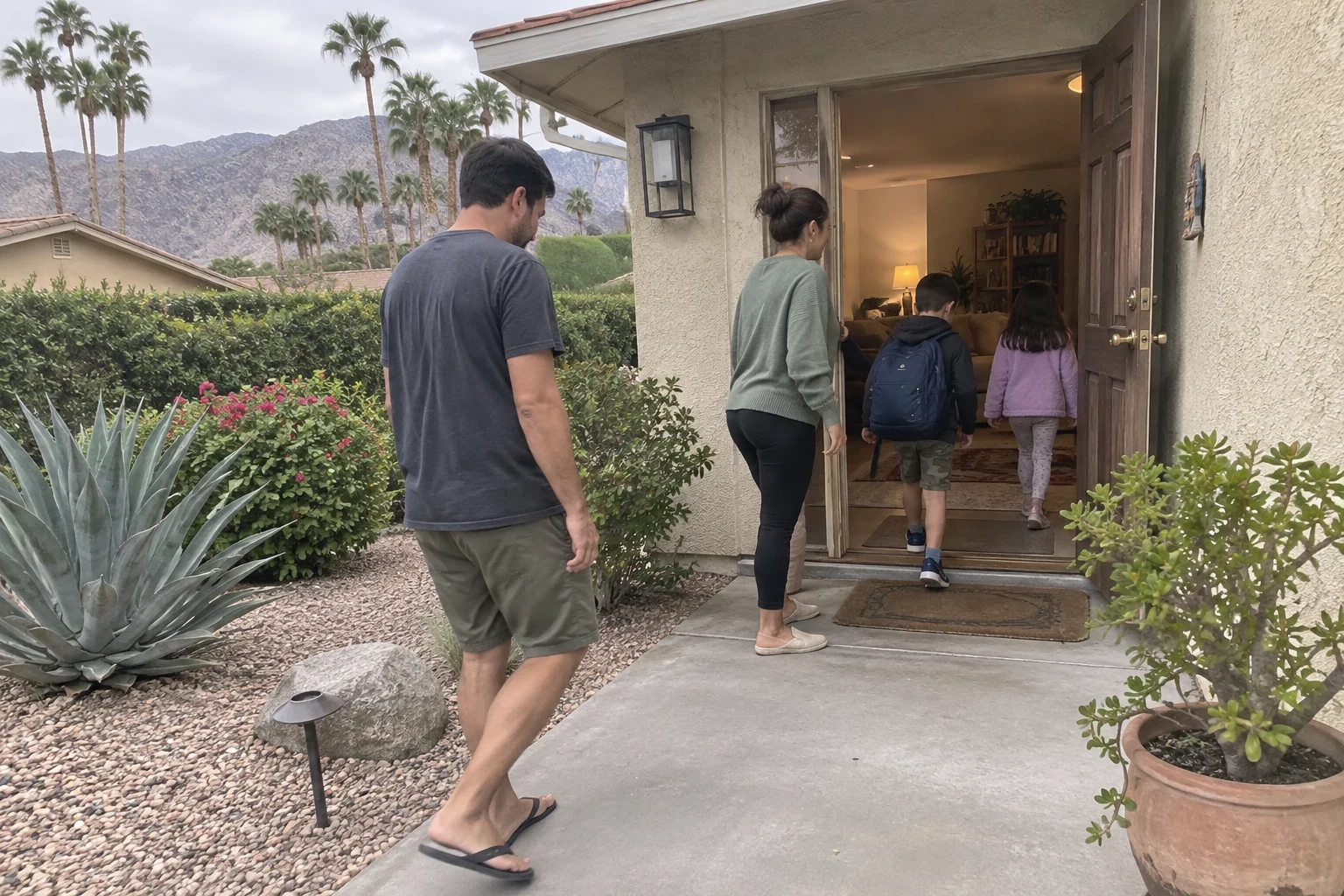
Start With the Cover You Already Have
A few short answers show what is in place today and what still needs covering. From there you see your options and take as long as you like to decide.